Chicago Studies in American Politics Series by Amy E. Lerman, Katherine J. Cramer, Marty Cohen, David Karol, Hans Noel, John Zaller, Michele F. Margolis

3.93 · 15 ratings
  • Good Enough for Government Work: The Public Reputation Crisis in America (And What We Can Do to Fix It) (Chicago Studies in American Politics #1)
    #1

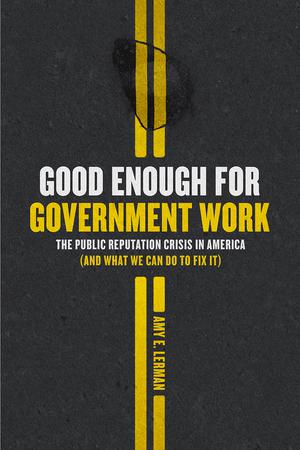
    Good Enough for Government Work: The Public Reputation Crisis in America (And What We Can Do to Fix It) (Chicago Studies in American Politics #1)

    Amy E. Lerman

    Rated: 4.00 of 5 stars
    · 1 ratings · published 2019

    American government is in the midst of a reputation crisis. An overwhelming majority of citizens—Republicans and Democrats alike—hold negative perceptions of the government and believe it is wasteful, inefficient, and doing a generally poor job managing public programs and providing public services. When social problems arise, Americans are therefore skeptical that the government has the ability to respond effectively. It’s a serious problem, argues Amy E... more

  • The Politics of Resentment (Chicago Studies in American Politics #1)
    #1

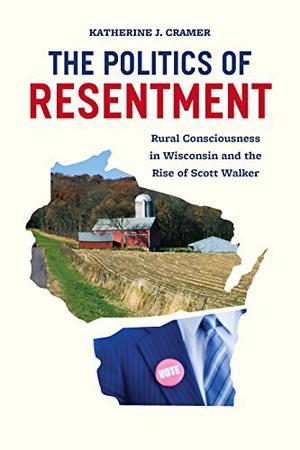
    The Politics of Resentment (Chicago Studies in American Politics #1)

    Katherine J. Cramer

    Rated: 4.00 of 5 stars
    · 10 ratings · published 2016

    Since the election of Scott Walker, Wisconsin has been seen as ground zero for debates about the appropriate role of government in the wake of the Great Recession. In a time of rising inequality, Walker not only survived a bitterly contested recall that brought thousands of protesters to Capitol Square, he was subsequently reelected... more

  • The Party Decides: Presidential Nominations Before and After Reform (Chicago Studies in American Politics #1)
    #1

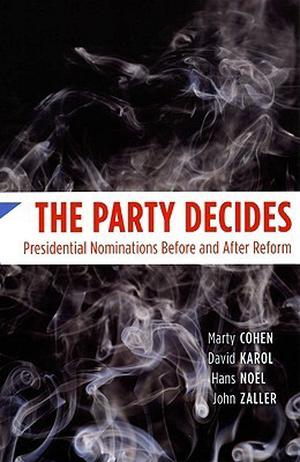
    The Party Decides: Presidential Nominations Before and After Reform (Chicago Studies in American Politics #1)

    Marty Cohen, David Karol, Hans Noel, John Zaller

    Rated: 3.67 of 5 stars
    · 3 ratings · published 2008

    Throughout the contest for the 2008 Democratic presidential nomination, politicians and voters alike worried that the outcome might depend on the preferences of unelected superdelegates. This concern threw into relief the prevailing notion that—such unusually competitive cases notwithstanding—people, rather than parties, should and do control presidential nominations... more

  • From Politics to the Pews: How Partisanship and the Political Environment Shape Religious Identity (Chicago Studies in American Politics #1)
    #1

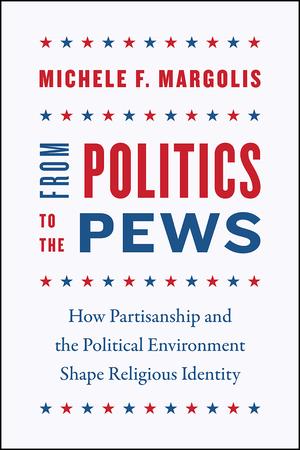
    From Politics to the Pews: How Partisanship and the Political Environment Shape Religious Identity (Chicago Studies in American Politics #1)

    Michele F. Margolis

    Rated: 4.00 of 5 stars
    · 1 ratings · published 2018

    One of the most substantial divides in American politics is the “God gap.” Religious voters tend to identify with and support the Republican Party, while secular voters generally support the Democratic Party. Conventional wisdom suggests that religious differences between Republicans and Democrats have produced this gap, with voters sorting themselves into the party that best represents their religious views.Michele F... more

Find similar series to Chicago Studies in American Politics  ❯