The Hobbit: A Journey into Maturity (Twayne's Masterwork Studies, (Twayne's Masterwork Studies #149)

William H. Green


Rated: 4.00 of 5 stars
4.00 · 1 ratings · 150 pages · Published: 01 Dec 1994
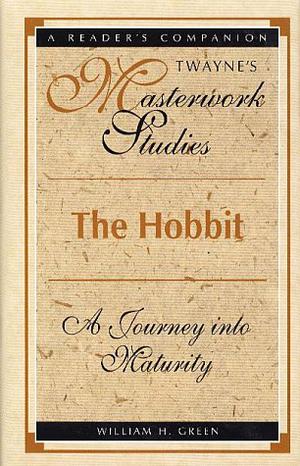
The Hobbit: A Journey into Maturity  (Twayne's Masterwork Studies, by William H. Green
In the course of his travels from a cozily appointed little home in Bag-End to the dark and smoky lair of Smaug the dragon, the hobbit Bilbo Baggins comes upon not only dwarves, elves, goblins, and giant spiders but a wiser, better self. His journey, like those of the heroes in the long tradition of quest stories preceding The Hobbit, marks his passage from fearfulness to bravery, from self-indulgence to self-reliance, from ignorance to knowledge, from a kind of prolonged adolescence to responsible adulthood. William H. Green's finely crafted study places The Hobbit in the company of such quest narratives as Beowulf, The Odyssey, Don Quixote, and Tom Jones. Giving J. R. R. Tolkien's fantasy tale for children the serious scholarly attention often reserved for works intended for adults, Green shows how Tolkien adapted the structure and dramatic force of the mythic quest to a modern literary form. Underlying Tolkien's tall tale of an unlikely hero drawn into a fantastic series of adventures is a complex exploration of the nature of the human journey into maturity and of the power of myth to both elucidate and validate that journey. Tolkien shared with psychoanalyst C. G. Jung an abiding belief in the healing power of myth. Green draws on Jung's theories of "archetypes" - symbolic patterns of thought and behavior expressed repeatedly in dreams, stories, and picturesto illuminate the psychological implications of Tolkien's work. Especially relevant to the story of Bilbo is Jung's view of the dragon-slaying hero as a symbol of increasing consciousness and individuation - that is, the journey into maturity. Rich in literary and linguistic allusion - the result of the Oxford scholar Tolkien's encyclopedic knowledge of medieval myth and language - The Hobbit reflects its author's desire to address sophisticated themes in a form - the fantasy - derided by the literary critics of his day. Tolkien thus cloaked his love of what he called "fairy-stories" in a book for childr

Tagged as:

    romance tags

    crime tags

    literary-fiction tags

    historical-fiction tags

    fantasy tags

    sci-fi tags

    action-adventure tags

    thriller tags

    horror tags

    Collections/Custom tags


    Reviews