The 1960s & 70s: Run, River / Slouching Towards Bethlehem / Play It As It Lays / A Book of Common Prayer / The White Album
Joan Didion
Rated: 4.00 of 5 stars
4.00
· 3 ratings · 980 pages · Published: 12 Nov 2019
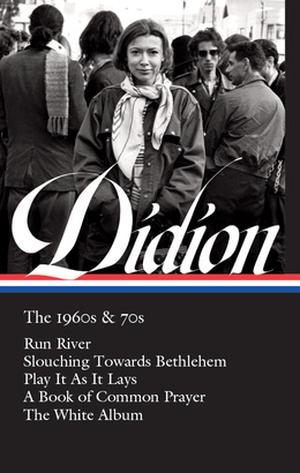
Didion’s darkly nostalgic debut novel Run River (1963) is set among the ranch families of her native Sacramento Valley, their prosperity and pioneer traditions threatened by suburban sprawl and the changing values of a postwar world. A riveting chronicle of passion, infidelity, and betrayal in the twenty-year marriage of Lily Knight and Everett McClellan, it eloquently evokes one woman’s alienation amid the landscapes of a disappearing California.
A major milestone in the rise of the New Journalism, Slouching Towards Bethlehem (1968) gathers Didion’s kaleidoscopic essays of the mid-1960s: masterpieces whose subjects include an aging John Wayne, a Los Angeles Maoist, the Las Vegas wedding industry, and the acid-tripping counterculture of San Francisco’s Haight-Ashbury. The collection showcases Didion’s signature literary persona—“a memorable voice, partly eulogistic, partly despairing, always in control” (Joyce Carol Oates)—while introducing a style of reportage that transformed the expectations of generations of readers and writers.
In Play It As It Lays (1970) model and actress Maria Wyeth, her brief career fading, finds herself adrift in a sun-drenched, air-conditioned, and utterly benumbed world in which pills, fast cars, and casual sex have replaced human connection. The pared-down, impressionistic prose frames a harrowing story of a Hollywood life gone wrong.
Well-meaning norteamericana Charlotte Douglas arrives in the lush, dangerously chaotic Central American republic of Boca Grande, in Didion’s third novel, A Book of Common Prayer (1977), hoping to trace the whereabouts of her daughter Marin, an affluent teenager turned Marxist-revolutionary terrorist. “Immaculate of history, innocent of politics,” Douglas is swept up in intrigues and violence beyond her ability to comprehend, as Didion dissects the menacing realities of imperialism and revolution.
In The White Album (1979) Didion continues her intense, intimate, clear-eyed investigations of a California coming apart at the seams. In trips to shopping malls and to the Getty Museum; visits with Nancy Reagan, The Doors, and the Black Panthers; accounts of the prosecution of the Manson Family—all counterpointed with her own dark moods and obsessions—she offers a brilliant mosaic of a time that continues to shape our own and a monument of superlative literary nonfiction.